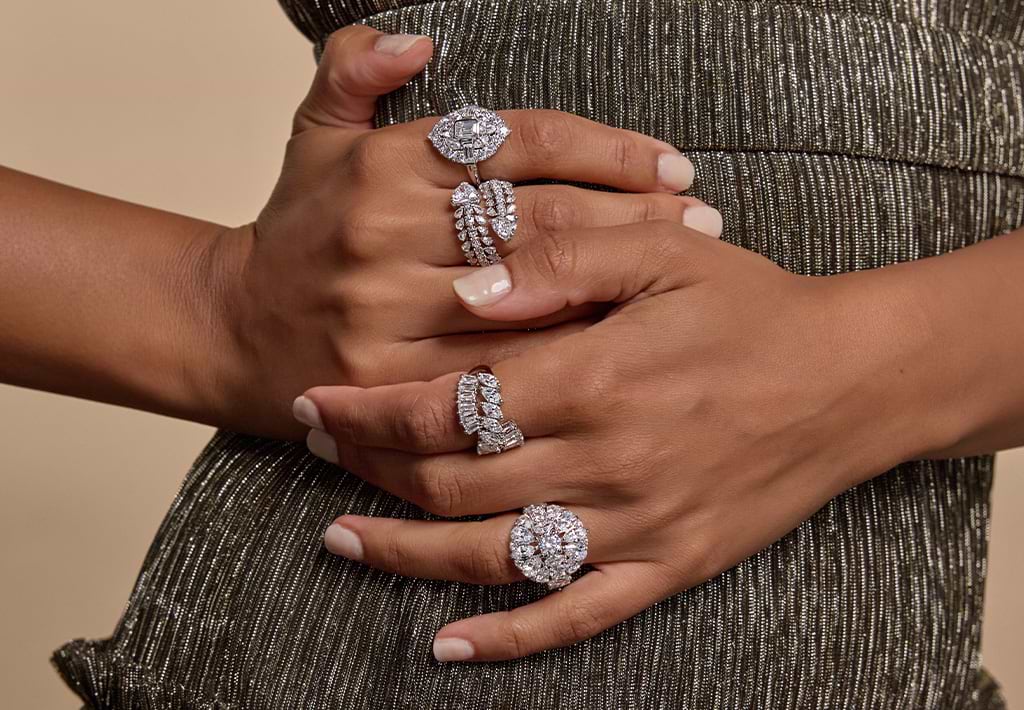

An engagement ring can carry a retail price that is very different from its resale value. The original purchase may have included design work, branding, retail overhead, gemstone setting and other costs that a second-hand buyer cannot fully recover.
For someone preparing to sell a ring in Adelaide, the useful question is therefore not simply, “What did I pay?” It is, “What does this ring contain, and what is commercially recoverable from it now?”
Gold purity, precious-metal weight, gemstone sell engagement ring Adelaide, condition and construction can all influence an assessment. Understanding these elements before requesting an offer makes it easier to compare buyers and recognise what is actually being valued.
Start by Identifying the Metal
Many engagement rings are made from 18K or 14K gold, although other purities and platinum are also used.
The karat figure describes how much pure gold is present in the alloy:
| Marking | Approximate Gold Content | Common Description |
|---|---|---|
| 750 / 18K | 75% | 18-karat gold |
| 585 / 14K | 58.5% | 14-karat gold |
| 417 / 10K | 41.7% | 10-karat gold |
A higher karat number means a greater proportion of gold, but it does not automatically mean that the finished ring will receive a proportionally higher resale offer. Total metal weight matters as well.
A lightweight 18K ring can contain less recoverable gold than a much heavier 14K piece.
The ring may carry a fineness or karat stamp inside the band. That marking can be useful, but a professional buyer may still test the metal rather than relying exclusively on an inscription.
White, Yellow and Rose Gold Need the Same Basic Checks
Gold colour does not establish purity.
Yellow gold is usually alloyed with other metals to produce the required hardness and colour. Rose gold commonly contains copper-containing alloys, while white gold uses pale alloying metals and is often finished with rhodium plating.
That means a white ring marked 750 and a yellow ring marked 750 both contain 75% gold despite looking very different.
Surface appearance can also be misleading. Rhodium on white gold can wear with use, while polished yellow or rose gold may show scratches. These cosmetic changes do not alter the stated gold fineness, although condition may matter if a buyer intends to resell the ring as jewellery rather than recover its materials.
The Diamond May Be Assessed Separately From the Ring
For diamond engagement rings, the centre stone can sell gold Melbourne for a meaningful part of the assessment, but value depends on the stone itself rather than simply the fact that it is a diamond.
A buyer may examine characteristics including:
- carat weight
- cut
- colour
- clarity
- shape
- visible damage
- whether the stone is natural or laboratory-grown
- supporting grading documentation
Carat refers to gemstone weight, while karat refers to gold purity. The two terms describe completely different measurements.
Documentation from a recognised gemological laboratory can help identify a stone’s stated characteristics. It does not guarantee a particular resale price, because market demand and the buyer’s intended resale channel still affect what they are prepared to offer.
Small accent diamonds may also be treated differently from a substantial centre stone. A ring containing numerous small stones should not automatically be valued by adding up their original retail costs.
Retail Price and Resale Value Measure Different Things
One of the biggest misunderstandings in engagement-ring resale comes from comparing an offer directly with an old receipt.
Retail pricing can include:
- design and manufacturing costs
- gemstone setting
- finishing and polishing
- retailer operating costs
- branding
- sales margins
- taxes and other transaction costs
A second-hand buyer is assessing what the ring or its components can reasonably be resold or recovered for. Those are different calculations.
Custom design can make a ring expensive to produce while adding relatively little recoverable material value. The opposite can also occur: a plain but heavy gold band may contain considerable precious-metal weight despite having a simple appearance.
Should You Repair or Polish the Ring First?
Usually, major work should not be commissioned solely for the purpose of obtaining a resale assessment unless there is a clear reason.
A loose stone, worn rhodium finish or scratched band may look unattractive, but paying for restoration does not mean the full cost will be recovered in the sale.
Before spending money on:
- polishing
- rhodium replating
- resizing
- replacing prongs
- resetting stones
ask whether the buyer values the piece as wearable jewellery or primarily for its components.
If a ring is being assessed mainly for its gold and gemstones, expensive cosmetic work may add little to the final offer.
Gather Documentation, but Do Not Delay an Assessment Without It
Useful items to bring can include the original receipt, diamond grading report, valuation paperwork and any previous repair records.
These documents may help identify specifications or provide context, but a missing receipt does not necessarily make an engagement ring impossible to assess.
The physical ring still provides important information through its weight, metal composition, markings, gemstone characteristics and construction.
Photographs of old paperwork can also be useful if the originals are unavailable.
Compare What Each Buyer Is Actually Offering For
Two offers may differ because the buyers are evaluating the ring in different ways.
One may focus largely on precious-metal recovery. Another may place additional value on a saleable diamond or on the ring as a complete second-hand jewellery piece.
Before accepting an offer, it is reasonable to ask:
- Has the gold purity been tested?
- Is the weight being considered?
- Is the centre stone valued separately?
- Does the offer include the smaller stones?
- Is the ring being assessed for resale or material recovery?
- Are any fees deducted from the quoted amount?
These questions make comparisons clearer than simply asking for the highest headline figure.
For owners researching where to sell engagement ring Adelaide, understanding how the metal and gemstones are assessed can make it easier to evaluate an offer on its underlying components rather than relying on the ring’s original retail price.
Check the Ring Before Handing It Over
A simple inspection before visiting a buyer can help you document what you own.
Photograph the ring from several angles, including any internal stamps. If you have a grading report, confirm that identifying details match the stone where applicable. Keep copies of documents rather than surrendering originals unnecessarily.
You should also know whether the ring contains solid gold, plated metal or another precious metal. Gold-plated jewellery has only a surface layer of gold and should not be treated as equivalent to a solid 14K or 18K piece.
The most useful resale assessment is one that separates sentiment and original retail cost from measurable characteristics: precious-metal purity, weight, gemstone specifications, condition and practical resale potential. Those details give you a firmer basis for deciding whether an Adelaide offer reflects what you are actually selling.